

Thinking about moving to Frisco, TX? Learn about living costs, schools, traffic, neighborhoods, and what homeowners should know before relocating.
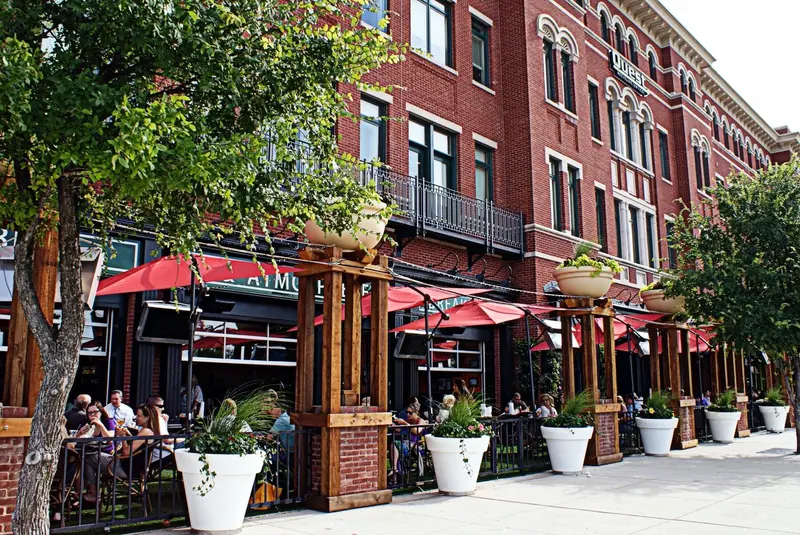
Frisco is growing in popularity and has become one of North Texas’s most desirable places to live thanks to its excellent schools, modern neighborhoods, strong job market, and family-friendly atmosphere. Here are some items to consider before you pack and move, from housing costs to commute times—so you can choose the right neighborhood and budget with confidence.
They say everything is big in Texas, and Frisco is no exception. Over the past two decades, the city has transformed from a fairly quiet suburb into one of the fastest-growing communities in North Texas. Today, new residents are drawn by a combination of economic opportunity, quality public services, and a lifestyle that balances suburban comfort with urban convenience.
The city of Frisco is home to major attractions like The Star, the headquarters and training facility of the Dallas Cowboys, along with Toyota Stadium, museums, parks, and a growing collection of restaurants and retail centers. Because of its great location, many residents work nearby in Plano, Legacy West, Richardson, or North Dallas, making Frisco an attractive option for professionals who want more space without giving up career opportunities.
Families that love community events, sports leagues, walking trails, and neighborhood amenities that make it easy to get involved, really appreciate all Frisco has to offer. Whether you’re relocating from another Texas city or moving from out of state, Frisco offers a lifestyle that appeals to a wide range of residents.

The cost of living in Frisco, Texas, is about 7% to 12% higher than the U.S. national average, and premium housing drives a large share of those expenses. One of the biggest questions people ask before relocating is: “Can I comfortably afford to live here?”
While home prices are generally higher than many surrounding suburbs, the trade off for Frisco is that it has newer homes, larger lots in select neighborhoods, and access to highly rated community amenities.
Other common expenses include besides purchase price:
When budgeting, be sure to include transportation costs depending on where you work. Many residents regularly make use the Dallas North Tollway or Sam Rayburn Tollway, so monthly toll expenses should be part of your budget if you’re commuting.
Everyday expenses like groceries, dining, childcare, and entertainment generally in alignment other desirable Dallas-Fort Worth suburbs, although newer shopping districts and upscale dining options can increase discretionary spending.
One recent move involved a family relocating from Plano to Frisco after their children reached elementary school age. While their monthly housing payment increased because they purchased a newer home in a master-planned community, they found value in the neighborhood amenities, additional living space, nearby parks, and shorter drive to youth sports activities. By budgeting for HOA dues and toll road expenses ahead of time, they avoided unexpected monthly costs after the move.

School, for many homeowners, play a major role in deciding where to live. The good news for Frisco hopefuls is that Frisco regularly ranks high and scores high in education. Due to economic infused residents, facilities are top notch too.
Frisco Independent School District has earned a strong reputation for academic achievement, extracurricular opportunities, and community involvement. The district serves much of the city, but school boundaries can change as new neighborhoods are developed.
One important thing to know is that not every Frisco address attends the same schools. Depending on where you purchase, your home could fall within a different attendance zone. That’s why it’s recommended to verify school assignments before making an offer rather than relying on online listing descriptions.
Beyond public education, families also have access to charter schools and several nearby private school options. This gives families flexibility depending on their educational preferences or needs.
School ratings are only one part of the equation and many professional real-estate folks will tell you. Neighborhood vibes, commute time, nearby amenities, and future resale potential should probably be considered.
Traffic surprises many newcomers—not because it’s unusually bad, but because commute times can vary dramatically depending on where you live within the city and or what time you are commuting.
Residents commuting south toward Plano, Dallas, or Legacy West frequently drive the Dallas North Tollway. Those traveling East-west often us Sam Rayburn Tollway, while Preston Road serves as a major commercial corridor with restaurants, shopping centers, and businesses.
The western side of Frisco may offer newer neighborhoods and larger homes, but it can also mean slightly longer travel times to some employment centers during peak traffic. Buyers working in Plano or North Dallas often compare neighborhoods based on commute patterns as much as home prices.
Compared to larger metropolitan areas, public transportation options remain limited, so most households rely on personal vehicles for daily travel.
When evaluating neighborhoods, it’s worth driving your potential commute during rush hour. A route that looks short on a map can feel very different at 8:00 a.m. on a weekday.

One of Frisco’s greatest strengths is the variety of neighborhoods available to homeowners.
If you’re looking for newer construction and extensive community amenities, master-planned neighborhoods offer pools, trails, playgrounds, fitness centers, and year-round community events. These communities often appeal to growing families and buyers seeking an active neighborhood atmosphere.
Luxury buyers may prefer established gated communities with mature landscaping, custom homes, and added privacy. These neighborhoods typically offer distinctive architecture and larger lots while remaining convenient to shopping and dining.
Some buyers prioritize walkability, easy highway access, or proximity to schools rather than neighborhood amenities. Fortunately, Frisco includes communities that fit a wide range of budgets and lifestyles.
A household working remotely may value parks and walking trails. A family with multiple school-age children may prioritize school assignments and recreation programs. Professionals commuting daily might place highway access at the top of their list.
Touring a variety of neighborhoods at different times of day can provide valuable insight into traffic, activity levels, and the overall feel of each community.
Moving to Frisco represents more than buying a house—it’s choosing a community that fits your family’s lifestyle.
By fully understanding the cost of living, researching neighborhoods carefully, evaluating school options, and planning your commute realistically, you’ll be better prepared to make a confident decision in moving to Frisco, Texas.
Working with experienced local professionals can also simplify the process. Movers familiar with Frisco neighborhoods, HOA requirements, and community layouts can help your relocation go much more smoothly.
If you’re preparing for your move, you may also find our Moving Services page helpful for planning timelines, packing options, and relocation support.
When you’re ready to schedule your move or request a personalized estimate, visit our Get a Free Quote tab
For official information about updating your driver’s license and vehicle registration after moving within Texas, refer Texas Department of Motor Vehicles
Frisco generally has a higher cost of living than many North Texas communities, primarily because of housing prices. However, many homeowners believe the investment is worthwhile due to the city’s excellent schools, well-maintained neighborhoods, strong local economy, and extensive parks and recreational amenities. Be sure to budget for property taxes, HOA dues, utilities, insurance, and possible toll road expenses in addition to your mortgage.
Start by identifying your priorities. Consider your daily commute, preferred home style, school assignments, community amenities, monthly HOA costs, and long-term resale potential. Visiting neighborhoods at different times of the day and talking with local professionals can help you find the best fit for your lifestyle rather than simply choosing the newest or most popular community.